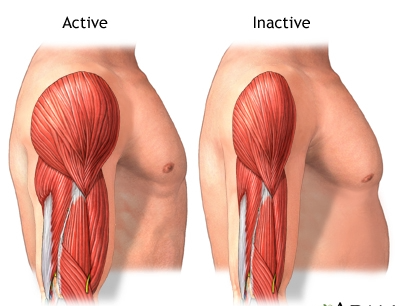
When you stop exercising, you can expect a rapid decline in muscle strength and cardiovascular fitness, leading to fatigue and increased breathlessness. You may also experience muscle atrophy, or shrinkage, weight gain as your metabolism slows, weaker bones, and a negative impact on mental health, including increased stress and anxiety.
Physical Changes
Cardiovascular Fitness (Aerobic Capacity):
Your heart and lungs become less efficient at delivering oxygen. Your VO2 max, the maximum amount of oxygen your body can use, can decrease significantly within weeks.
Muscle Loss:
Muscles begin to shrink due to lack of use, a process called muscle atrophy. This leads to a loss of both strength and endurance.
Fat Gain:
With increased inactivity, your metabolism slows, making it easier to store fat and gain weight if calorie intake remains the same.
Bone Density Loss:
Lack of weight-bearing exercise causes bones to become weaker and less dense, increasing your risk of fractures.
Flexibility:
Muscles and joints may become less flexible as regular movement, which helps maintain flexibility, is lost.
Mental and Emotional Changes
Mood Changes:
Exercise releases endorphins, which improve mood and reduce stress. Without it, you may experience feelings of grumpiness, anxiety, stress, and depression.
Lowered Energy:
Your overall energy levels may decrease, and you might feel more tired and less motivated.
Timeline of Changes
Within days:
You might notice muscles feeling softer, and your active heart rate may increase.
Within weeks:
Muscle mass and endurance begin to decline, and fat cells can get bigger.
Within months:
You will see a noticeable decrease in muscle tone and definition, more significant fat gain, and a continued drop in cardiovascular endurance.
Long-term:
There is an increased risk of chronic health problems such as heart disease and type 2 diabetes.
There are lots of reasons why people stop or find it difficult to get started:
Psychological and emotional barriers
Lack of motivation
People often prioritise other activities and struggle to find the internal drive to exercise.
Self-consciousness or anxiety:
Feeling judged or unfit can make people self-conscious about exercising in front of others.
Low self-efficacy:
A lack of confidence in one's ability to be physically active can be a significant barrier.
Negative past experiences:
Past negative experiences with exercise can make people hesitant to start again.
Unrealistic expectations:
Expecting to see fast results can lead to discouragement and a quick abandonment of the activity.
Logistical and Practical Barriers
Lack of time:
Work, family, and other commitments can make finding time to exercise challenging.
Inconvenience:
Exercise routines can be inconvenient if the location or timing does not fit into one’s daily life.
Financial costs:
The cost of a gym membership, equipment, or classes can be a barrier for some people.
Lack of safe or suitable environments:
A lack of accessible, safe, or appealing spaces to exercise can deter people.
Injuries:
Previous or potential injuries can make people fearful or unable to participate in exercise.
Social and Environmental Barriers
Lack of enjoyment:
If an activity is seen as a chore and isn’t enjoyable, people are less likely to stick with it.
Lack of social support:
The absence of a workout partner or community can reduce accountability and motivation.
Boredom:
Doing the same exercises repeatedly can become boring and lead to a lack of interest.
Feeling unfit:
The feeling of being too unfit to start can be a significant deterrent to beginning an exercise programme.
All these barriers can be overcome with a personalised programme that suits your current physical ability and fitness level, and time available.
Regular exercise is necessary for aging well, so make sure you make changes now so you can make the most of life!