Staying fit and strong after 50 isn’t just about exercise, nutrition plays an equally important role. While training builds strength, energy, and resilience, the foods you eat provide the fuel and raw materials your body needs to perform, recover, and thrive.
As we age, nutritional needs shift. The body processes nutrients differently, muscle mass naturally declines, and maintaining energy levels becomes more challenging. But with the right approach, nutrition can support your training results, boost your health, and help you enjoy an active, vibrant lifestyle for decades to come.
This article explores the nutrition basics every adult over 50 should know, with a focus on protein, hydration, and simple, sustainable changes that make a real difference.
Why Nutrition Matters More After 50
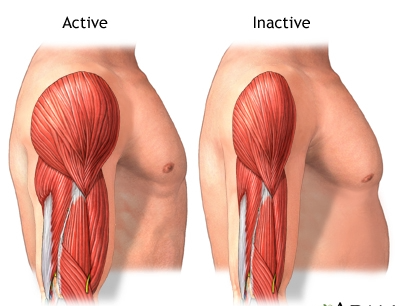
From the age of around 30, muscle mass begins to decline, a process called sarcopenia. By the time we reach 50 and beyond, the effects can accelerate if left unaddressed. This loss of muscle affects not only strength but also metabolism, bone health, and independence.
At the same time, other changes occur:
-
Slower metabolism: Fewer calories are needed, but nutrient needs remain high.
-
Reduced digestive efficiency: The body becomes less efficient at absorbing nutrients like protein, calcium, and vitamin B12.
-
Hormonal changes: Menopause and reduced testosterone affect muscle, bone, and energy levels.
-
Hydration challenges: Thirst signals become less reliable, increasing the risk of dehydration.
Nutrition tailored to these changes can help maintain strength, support energy, and reduce the risk of age-related health issues.
Protein: The Cornerstone of Strength After 50
Why Protein Matters
Protein is essential for building and repairing tissues, maintaining muscle mass, and supporting immune function. For older adults, it becomes even more important because:
-
Muscle protein synthesis declines with age, so more protein is needed to achieve the same effect.
-
Adequate protein helps prevent muscle loss and supports recovery from training.
-
Protein supports satiety, helping with weight management.
How Much Protein Do You Need?
General guidelines suggest:
-
1.2–2.0 grams of protein per kilogram of body weight per day for adults over 50 who are active.
-
For someone weighing 70kg (11 stone), that’s 84–140 grams of protein daily.
This is higher than the standard recommendation for younger adults, reflecting the increased need later in life.
Best Sources of Protein
-
Animal-based: Chicken, turkey, fish, eggs, lean beef, Greek yogurt, cottage cheese.
-
Plant-based: Lentils, chickpeas, beans, tofu, tempeh, quinoa, edamame.
-
Convenient options: Protein powders (whey, pea, soy) for shakes or smoothies.
Practical Tips
-
Include protein at every meal, not just dinner.
-
Aim for 25–35 grams per meal to stimulate muscle growth.
-
Combine plant proteins (e.g., rice and beans) for complete amino acid profiles.
Hydration: The Overlooked Essential
Why Hydration Matters After 50
Water is vital for every system in the body, from digestion to temperature regulation. But as we age, we often don’t feel as thirsty, making dehydration more common.
Dehydration can cause:
-
Fatigue
-
Headaches
-
Confusion or poor concentration
-
Muscle cramps
-
Poor exercise performance
How Much Water Do You Need?
A simple guideline is:
-
2–3 litres (8–12 cups) per day, depending on body size, activity, and climate.
Practical Hydration Strategies
-
Start your day with a glass of water.
-
Carry a reusable water bottle.
-
Flavour water with lemon, cucumber, or herbal teas.
-
Include hydrating foods like watermelon, cucumber, and soups.
During exercise, especially in warm conditions, sip water before, during, and after training.
Carbohydrates: Energy for Training and Recovery
Carbohydrates often get a bad reputation, but they are the body’s preferred source of energy, especially for exercise. After 50, the focus should be on quality carbs:
-
Whole grains (brown rice, oats, quinoa, wholemeal bread).
-
Vegetables and fruit.
-
Beans and legumes.
Avoid excess refined sugars and highly processed foods, which can spike blood sugar and contribute to energy crashes.
Tip: Pair carbs with protein and healthy fats to maintain steady energy and support muscle repair.
Fats: Supporting Hormones and Brain Health
Healthy fats are essential for:
-
Absorbing fat-soluble vitamins (A, D, E, K).
-
Supporting brain function and memory.
-
Maintaining hormone balance.
Focus on:
-
Omega-3 fatty acids: Oily fish (salmon, mackerel, sardines), walnuts, flaxseeds, chia seeds.
-
Unsaturated fats: Olive oil, avocado, nuts, seeds.
Limit trans fats and excess saturated fats from processed foods.
Key Micronutrients for Over-50s
1. Calcium and Vitamin D
-
Essential for bone health.
-
Sources: dairy, fortified plant milks, leafy greens, oily fish.
-
Sunlight provides vitamin D, but supplements may be needed in winter.
2. Vitamin B12
-
Absorption declines with age.
-
Sources: meat, fish, eggs, fortified cereals.
-
Supplements often recommended for adults over 50.
3. Magnesium
-
Supports muscle function, energy, and sleep.
-
Sources: nuts, seeds, whole grains, leafy greens.
4. Potassium
-
Helps regulate blood pressure.
-
Sources: bananas, sweet potatoes, beans, spinach.
Simple Changes That Make a Big Difference
-
Prioritise Protein: Build meals around a protein source.
-
Hydrate Consistently: Don’t wait until you’re thirsty.
-
Choose Whole Foods: Focus on fresh, minimally processed ingredients.
-
Plan Balanced Meals: Include protein, healthy carbs, and fats in every meal.
-
Eat the Rainbow: Aim for a variety of colourful vegetables and fruits daily.
-
Snack Smart: Swap biscuits or crisps for Greek yogurt, nuts, or boiled eggs.
-
Time Your Nutrition: Eat protein and carbs within 1–2 hours after exercise for optimal recovery.
Nutrition and Training: Working Together
Nutrition and training are two sides of the same coin. Without adequate nutrition, training results will be limited. Without exercise, nutrition alone cannot preserve muscle and strength.
For best results:
-
Combine strength training with protein-rich meals.
-
Stay hydrated to support endurance and recovery.
-
Use nutrition to fuel activity, not replace it.
Real-Life Example: A Day of Eating for Over-50s
Breakfast: Scrambled eggs with spinach, wholemeal toast, and a glass of water.
Snack: Greek yogurt with berries and almonds.
Lunch: Grilled salmon, quinoa, and mixed vegetables.
Snack: Protein shake and an apple.
Dinner: Chicken stir-fry with brown rice and colourful vegetables.
Evening: Herbal tea and a slice of wholemeal toast with hummus.
This plan provides protein at every meal, hydration throughout the day, and a balance of carbs, fats, and micronutrients.
Overcoming Common Challenges
-
“I don’t have time to cook.”
Batch cook simple meals like grilled chicken or soups. -
“I struggle with appetite.”
Focus on nutrient-dense foods like eggs, fish, smoothies, and nuts. -
“I don’t know what to eat.”
Start with the basics: protein at every meal, water with every meal, and colourful vegetables.
Nutrition after 50 is about more than just staying healthy — it’s about thriving, staying strong, and making the most of life. By focusing on protein, hydration, and simple, sustainable changes, you can support your training results, maintain muscle, protect your bones, and boost your overall well-being.
It’s never too late to take charge of your nutrition. Small steps — like adding protein to breakfast, drinking more water, or choosing whole foods — add up to big results.
When combined with regular exercise, smart nutrition helps ensure that life after 50 is not about slowing down but about living stronger, longer, and with greater vitality.