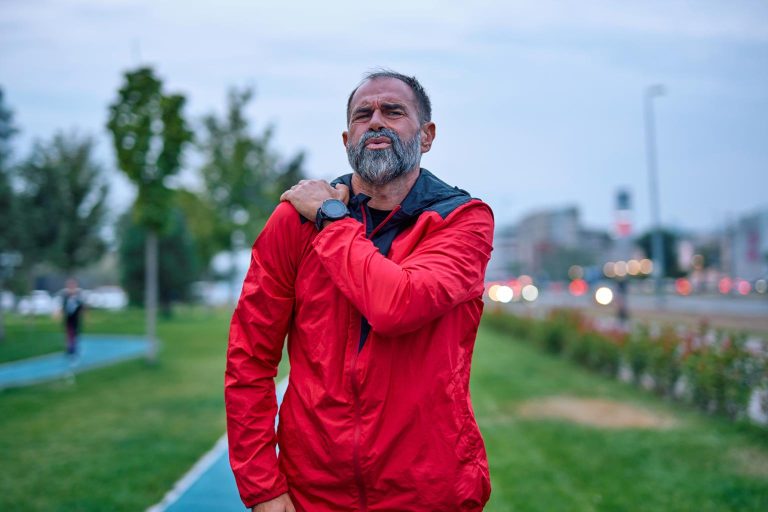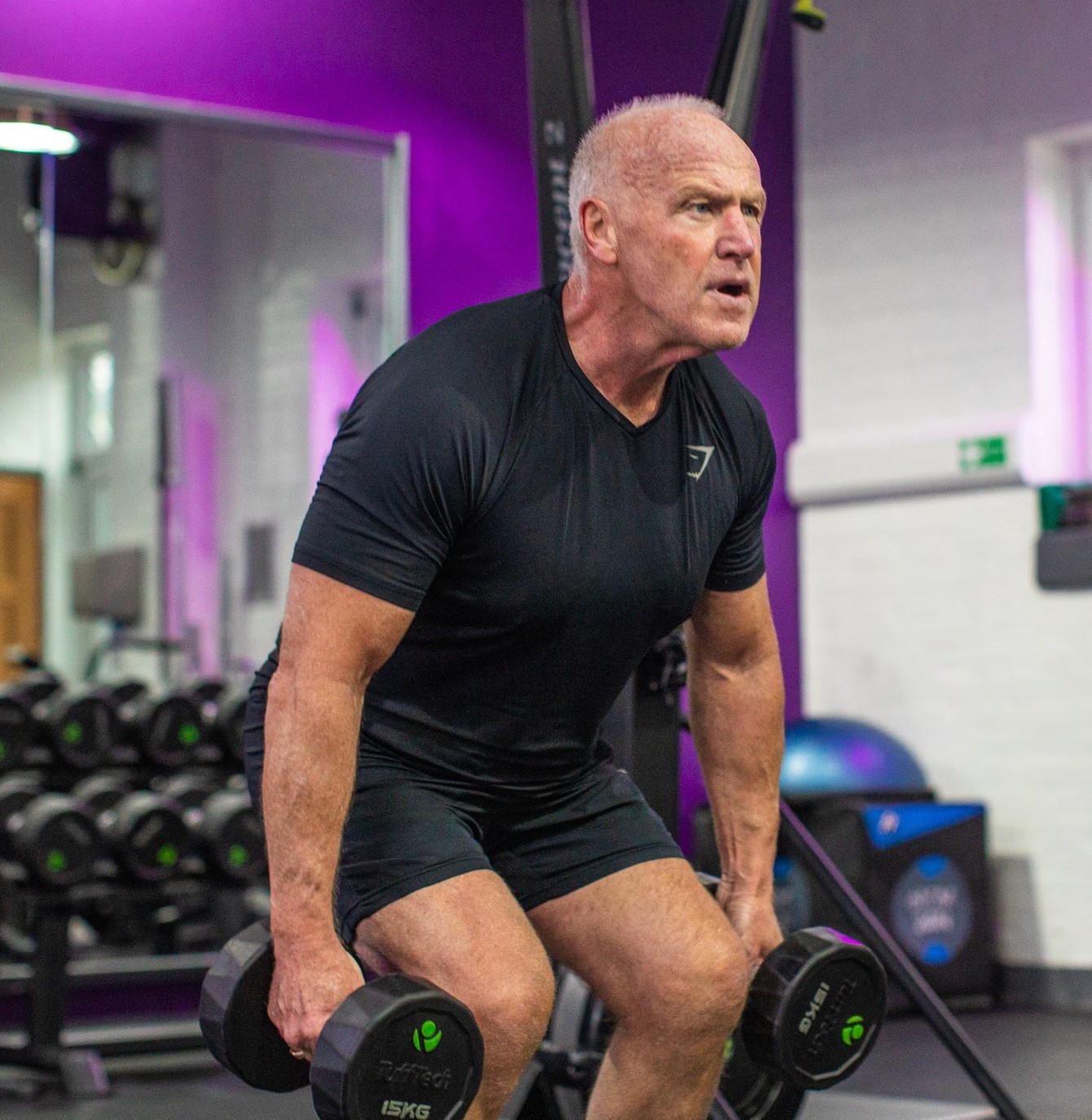
If you’ve ever stopped training because of a bad back, sore knee, painful shoulder, or recurring niggle, you’re not alone.
Many people I speak to say things like:
“I’d love to train properly, but my back won’t let me.”
“My knee always flares up when I exercise.”
“My shoulder has never been right since that injury.”
So they do less.
Then less again.
Eventually, training disappears altogether.
The problem isn’t that you’re weak or broken.
It’s that you’ve never been shown how to train around an injury properly.
Why Old Injuries Don’t Just “Go Away”
Most injuries don’t fully heal just because time passes.
They improve, then get neglected.
Over time, this leads to:
-
Weak supporting muscles
-
Poor movement patterns
-
Reduced confidence
-
Compensation elsewhere in the body
You might not feel pain every day, but the area remains vulnerable.
Without the right training, it keeps coming back.
The Biggest Mistake: Avoiding Movement Completely
When something hurts, most people do one of two things:
-
Push through and make it worse
-
Stop training altogether
Neither works long-term.
Avoiding movement leads to stiffness, weakness, and more pain.
The solution is controlled, intelligent movement.
Step 1: Understand What You Can Do
An old injury doesn’t mean “no training”.
It means “modified training”.
For example:
-
Bad back → adjust loading and posture
-
Knee issues → strengthen hips and glutes
-
Shoulder pain → improve stability and range
-
Ankle problems → rebuild balance and control
There is almost always something you can train safely.
Step 2: Build Strength Around the Injury
Strong muscles protect weak areas.
This is one of the most powerful forms of injury prevention.
When you strengthen the surrounding muscles, you:
-
Improve joint stability
-
Reduce strain
-
Increase confidence
-
Move more efficiently
Rehab-style exercises are useful, but long-term strength training is what keeps you pain-free.
Step 3: Prioritise Technique Over Ego
Many injuries flare up because of poor form.
Lifting too heavy. Rushing reps. Chasing numbers.
Good technique:
-
Reduces joint stress
-
Improves muscle activation
-
Builds long-term resilience
-
Keeps you progressing safely
Progress should be earned, not forced.
Step 4: Use Smart Progression
Random workouts and sudden jumps in intensity are a recipe for setbacks.
Smart progression means:
-
Gradual increases in load
-
Planned recovery
-
Listening to warning signs
-
Adjusting when needed
Consistency beats intensity every time.
Step 5: Don’t Ignore Mobility and Warm-Ups
Warm-ups aren’t optional when you have injury history.
They prepare your body for work.
A good warm-up:
-
Increases circulation
-
Improves range of motion
-
Activates key muscles
-
Reduces injury risk
Ten focused minutes can save you weeks of frustration.
When Pain Means You Should Stop
Not all discomfort is bad.
But sharp pain, worsening symptoms, or pain that changes your movement should never be ignored.
Training through pain is not “mental toughness”.
It’s poor judgment.
Long-term success comes from knowing when to push and when to adjust.
Why Coaching Makes a Difference
Most people with old injuries struggle because they’re guessing.
They rely on:
-
YouTube videos
-
Generic gym programmes
-
Conflicting advice
-
Trial and error
A good coach removes the uncertainty.
You get:
-
Exercise selection that suits you
-
Modifications when needed
-
Progressions that make sense
-
Confidence in your training
That’s how people with injury history train for years, not months.
You Are Not Too Damaged to Train
An old injury does not mean your best days are behind you.
With the right approach, you can:
-
Get stronger
-
Move better
-
Reduce pain
-
Build confidence
-
Enjoy training again
Giving up is rarely the answer.
Training smarter is.
Ready to Train With Confidence Again?
If you’re dealing with old injuries and want a safe, structured approach to training, I’m here to help.
Get in touch to book a consultation and find out how Paul Collins Fitness can help you move, train, and live with confidence again.