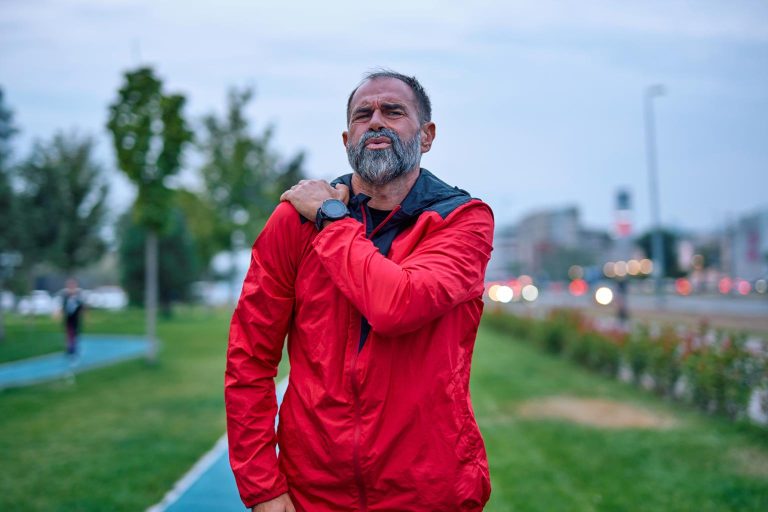
Living with a long-term chronic condition can feel overwhelming. Whether it’s arthritis, diabetes, heart disease, multiple sclerosis, or chronic back pain, many people are told, directly or indirectly, to “take it easy.” Over time, this well-meaning advice can lead to inactivity, loss of confidence, and declining physical and mental health.
As a fitness professional who has worked with people of all ages and abilities, I have seen first-hand how appropriate, well-structured exercise can transform lives. Exercise is not about chasing perfection or athletic performance. It is about building resilience, preserving independence, managing symptoms, and improving quality of life.
In this article, I want to explore how exercise supports people with long-term conditions and share practical examples of how movement can become a powerful tool for long-term wellbeing.
Understanding Chronic Conditions and Physical Activity
A chronic condition is one that tends to be long-lasting and often requires ongoing management. Examples include:
- Type 2 diabetes
- Arthritis
- Heart disease
- Chronic obstructive pulmonary disease (COPD)
- Fibromyalgia
- Multiple sclerosis (MS)
- Osteoporosis
- Long-term back or joint pain
- Hypertension
For many years, people with these conditions were encouraged to rest as much as possible. We now know that excessive rest often makes symptoms worse. Muscles weaken, joints stiffen, balance declines, and fatigue increases.
Modern research consistently shows that regular, tailored exercise is one of the most effective long-term treatments available.
How Exercise Supports Long-Term Health
- Improving Physical Function
Regular movement helps maintain and improve:
- Muscle strength
- Joint mobility
- Balance and coordination
- Cardiovascular fitness
- Bone density
These factors directly influence daily independence. Being able to climb stairs, carry shopping, get up from a chair, or walk confidently makes a huge difference to quality of life.
- Reducing Pain and Stiffness
Many people fear that exercise will worsen pain. In reality, the right type of movement often reduces it.
Gentle strength training supports joints. Mobility work keeps tissues healthy. Low-impact cardiovascular exercise improves circulation and reduces inflammation.
Over time, many clients report feeling less stiff in the morning and more comfortable throughout the day.
- Supporting Mental Wellbeing
Living with a chronic condition can affect confidence, motivation, and emotional health. Exercise has proven benefits for:
- Reducing anxiety and depression
- Improving sleep quality
- Boosting self-esteem
- Increasing energy levels
Just as importantly, it gives people a sense of control over their health.
- Managing Medical Symptoms
In many cases, exercise directly improves medical markers such as:
- Blood sugar levels
- Blood pressure
- Cholesterol
- Lung capacity
- Heart efficiency
For some individuals, this leads to reduced medication over time, under medical supervision.
Practical Examples of Exercise in Action
Let’s look at how exercise can help with specific long-term conditions.
Type 2 Diabetes
Regular physical activity improves how the body uses insulin and glucose.
How exercise helps:
- Strength training increases muscle mass, which improves blood sugar control
- Walking, cycling, and swimming improve cardiovascular health
- Regular movement reduces insulin resistance
Arthritis and Joint Conditions
Arthritis often leads people to avoid movement due to pain. Unfortunately, inactivity leads to weaker muscles and greater joint stress.
How exercise helps:
- Strengthens muscles around joints
- Improves joint lubrication
- Maintains range of motion
- Reduces long-term stiffness
Heart Disease and High Blood Pressure
Cardiovascular conditions benefit greatly from regular, moderate activity.
How exercise helps:
- Strengthens the heart
- Improves circulation
- Lowers resting blood pressure
- Supports weight management
Chronic Back Pain
Back pain is one of the most common long-term conditions. Fear of movement often makes it worse.
How exercise helps:
- Strengthens core muscles
- Improves posture
- Enhances spinal stability
- Reduces muscular tension
Multiple Sclerosis and Neurological Conditions
Fatigue, balance issues, and muscle weakness are common challenges.
How exercise helps:
- Improves balance and coordination
- Maintains muscle strength
- Reduces fatigue over time
- Enhances confidence in movement
Osteoporosis
Bone density naturally declines with age, particularly in women.
How exercise helps:
- Weight-bearing exercise strengthens bones
- Resistance training reduces fracture risk
- Balance training prevents falls
The Importance of Individualised Training
One of the biggest mistakes in fitness is applying “one-size-fits-all” programmes to complex health conditions.
Effective exercise for chronic conditions must be:
- Personalised
- Progressive
- Safe
- Sustainable
This means considering:
- Medical history
- Current symptoms
- Energy levels
- Lifestyle
- Personal goals
Small, consistent improvements matter far more than extreme effort.
Starting Safely: Key Principles
If you are living with a long-term condition, here are some essential guidelines.
- Get Medical Clearance When Needed
Always consult your GP or specialist before starting a new programme, especially after illness or surgery.
- Start Where You Are
You do not need to be “fit” to begin. You start with what you can do today.
- Focus on Consistency
Ten minutes done regularly is better than one intense session followed by weeks of inactivity.
- Listen to Your Body
Some discomfort is normal. Sharp pain, dizziness, or extreme fatigue is not.
- Progress Gradually
Small increases in difficulty lead to lasting results and fewer setbacks.
Exercise as a Long-Term Investment
Exercise is not a short-term fix. It is a long-term investment in your health, independence, and confidence.
For people with chronic conditions, it becomes part of treatment, prevention, and self-care combined. It supports:
- Physical capability
- Emotional resilience
- Social engagement
- Long-term independence
The goal is not perfection. The goal is participation, progress, and sustainability.
Living with a long-term condition does not mean giving up on strength, vitality, or personal growth. With the right guidance and mindset, exercise becomes a powerful ally.
I have seen people regain confidence after years of inactivity, reduce pain they thought was permanent, and rediscover activities they believed were lost forever. These changes do not happen overnight. They happen through patience, support, and consistent movement.
If you are managing a chronic condition, remember this: your body is adaptable. With the right approach, it can become stronger, more resilient, and more capable than you might imagine.
Exercise is not about pushing through pain. It is about building a life that supports your long-term health, step by step, session by session.