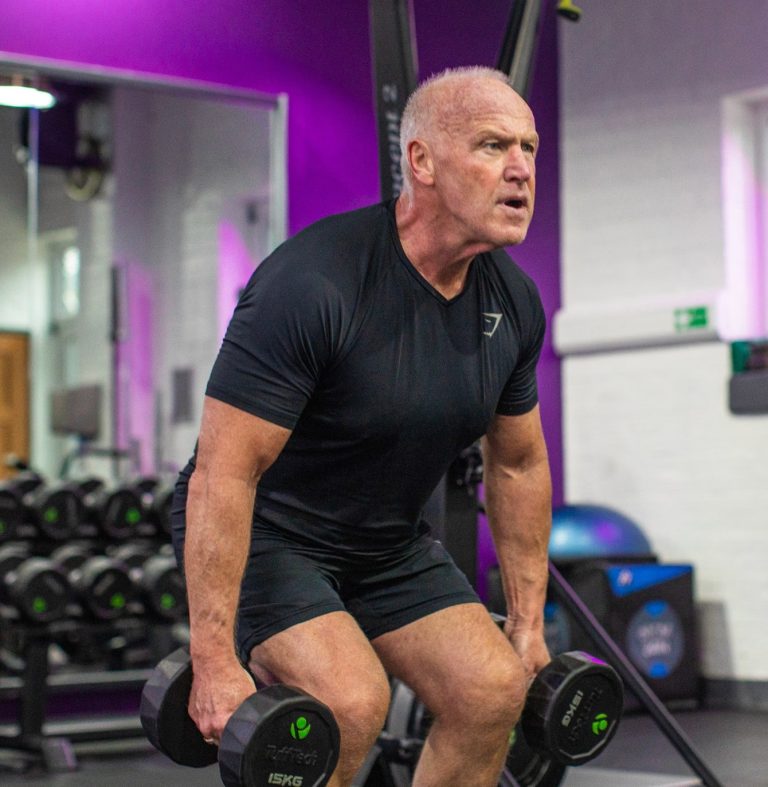
If you’re over 40 and committed to staying strong, mobile, and energised, the good news is this: training can be one of the best investments you make in your long-term health. The key is training smart, not just training hard.
As we age, recovery capacity, joint resilience, and hormone profiles change. That doesn’t mean we stop pushing ourselves; it means we apply structure, patience, and intent. Here’s how to train safely and effectively after 40.
1. Respect Recovery as Much as the Workout
In your 20s, you could get away with back-to-back hard sessions. After 40, progress depends more on what you recover from, not what you survive.
-
Build rest days into your week
-
Rotate intensity (hard, moderate, easy sessions)
-
Sleep is non-negotiable—aim for consistency, not perfection
If you feel constantly stiff, fatigued, or unmotivated, that’s feedback worth listening to.
2. Warm Up Properly (It’s Not Optional Anymore)
A rushed warm-up is one of the fastest routes to injury.
A good warm-up should:
-
Increase body temperature
-
Mobilise joints you’ll load (hips, shoulders, spine)
-
Activate key muscles before lifting or running
Think preparation, not exhaustion. Five to ten focused minutes can add years to your training life.
3. Prioritise Strength Training
Strength training is one of the most powerful tools we have after 40. It helps:
-
Preserve muscle mass
-
Support joint health
-
Improve bone density
-
Protect against everyday injuries
Focus on:
-
Controlled technique
-
Full range of motion you can own
-
Progressive loading over time, not ego lifting
You don’t need to max out. You need to be consistent.
4. Train Mobility and Stability, Not Just Flexibility
Mobility isn’t about being bendy—it’s about being strong in usable ranges.
Include:
-
Hip and thoracic spine mobility
-
Shoulder stability work
-
Core control under load
This reduces joint stress and improves performance across all activities, from lifting weights to playing sport.
5. Manage Intensity, Don’t Eliminate It
You still need intensity to adapt, but it must be earned and applied correctly.
-
Fewer all-out sessions, better planned
-
More sub-maximal work with perfect execution
-
Clear intent for each workout
Training hard without a plan is no longer brave; it’s risky.
6. Listen to Signals, Not Ego
Pain is not the same as effort.
Learn the difference between:
-
Normal training discomfort
-
Joint pain that worsens with movement
-
Fatigue that accumulates week to week
Modifying a session is not a failure. It’s protecting yourself.
Final Thoughts
Training after 40 isn’t about winding down; it’s about training with intelligence. When you respect recovery, move well, and apply progressive strength work, your best years of fitness can still be ahead of you.
If you want training that supports your body, your goals, and your lifestyle, not fights them, that’s exactly how I coach.
Train smart. Stay strong.